RPM Insights
Practical tools and reflections to help you restore balance, protect your well-being, and maintain resilience.

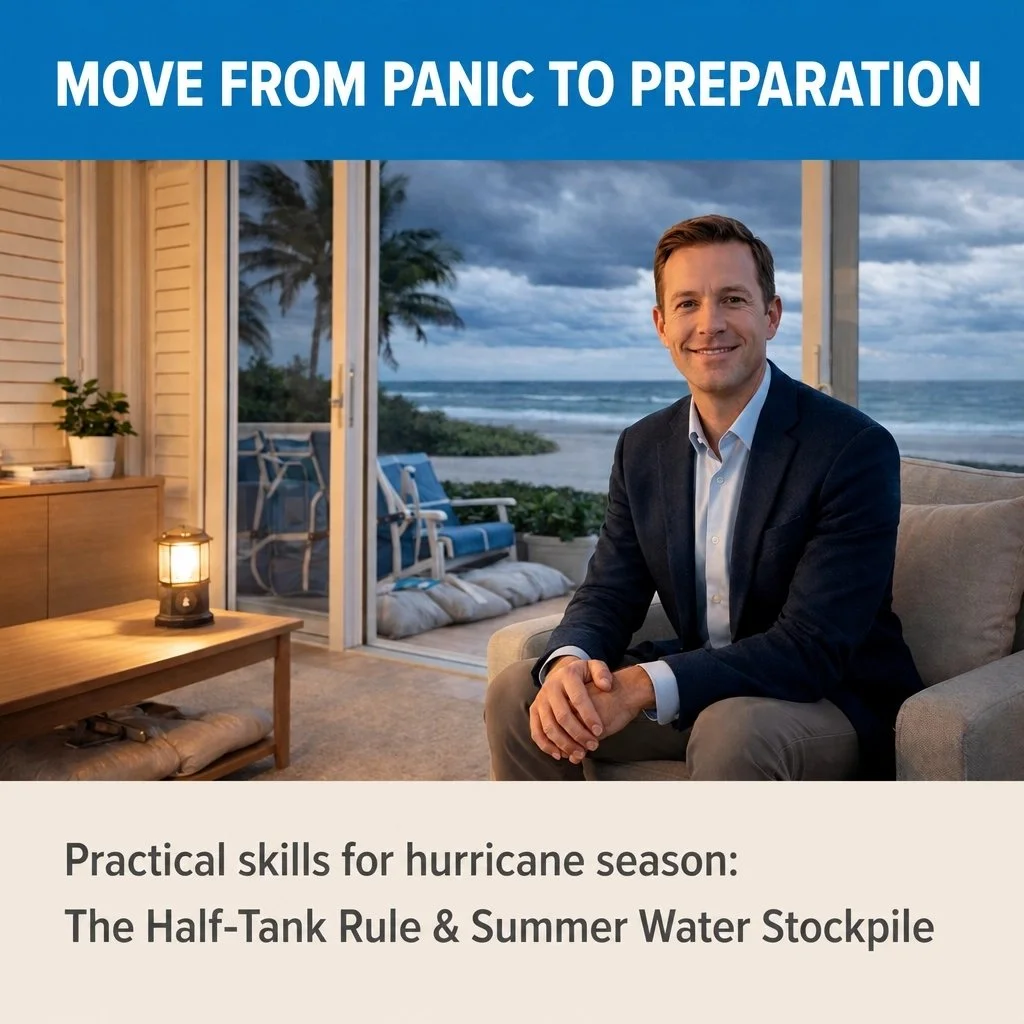
Hurricane Season Without the Panic: Practical Steps to Control Weather Anxiety
Hurricane season in Florida doesn't have to mean six months of constant dread. From the 'half-tank' rule to smarter media habits, discover practical, skills-based strategies to stay calm and prepared when the clouds roll in. It’s time to stop the panic and start the preparation.

Beyond the Uniform: Finding a Life Outside of the Job
For veterans and first responders, the uniform isn't just clothing, it’s a second skin. But what happens when the radio goes quiet? This week, we explore how to find a life outside the job by restoring your baseline, protecting your peace, and maintaining an identity beyond your rank.

The Q1 Audit: Resetting When Your Resolutions are Long Gone
The "fresh start feeling" isn't a myth, but it only lasts as long as you take actionable steps. If your New Year's resolutions have fizzled out by mid-April, you’re not failing, you just need a mid-flight course correction. Discover how a Q1 Audit can help you harness that fresh energy to reset your mental health and stress management for the next three months.

Moral Injury vs. PTSD: Which One Are You Really Carrying?
Are you struggling with fear, or is it something deeper? Learn the critical difference between PTSD and Moral Injury, and why understanding the nature of your wound is the first step toward restoring your soul.
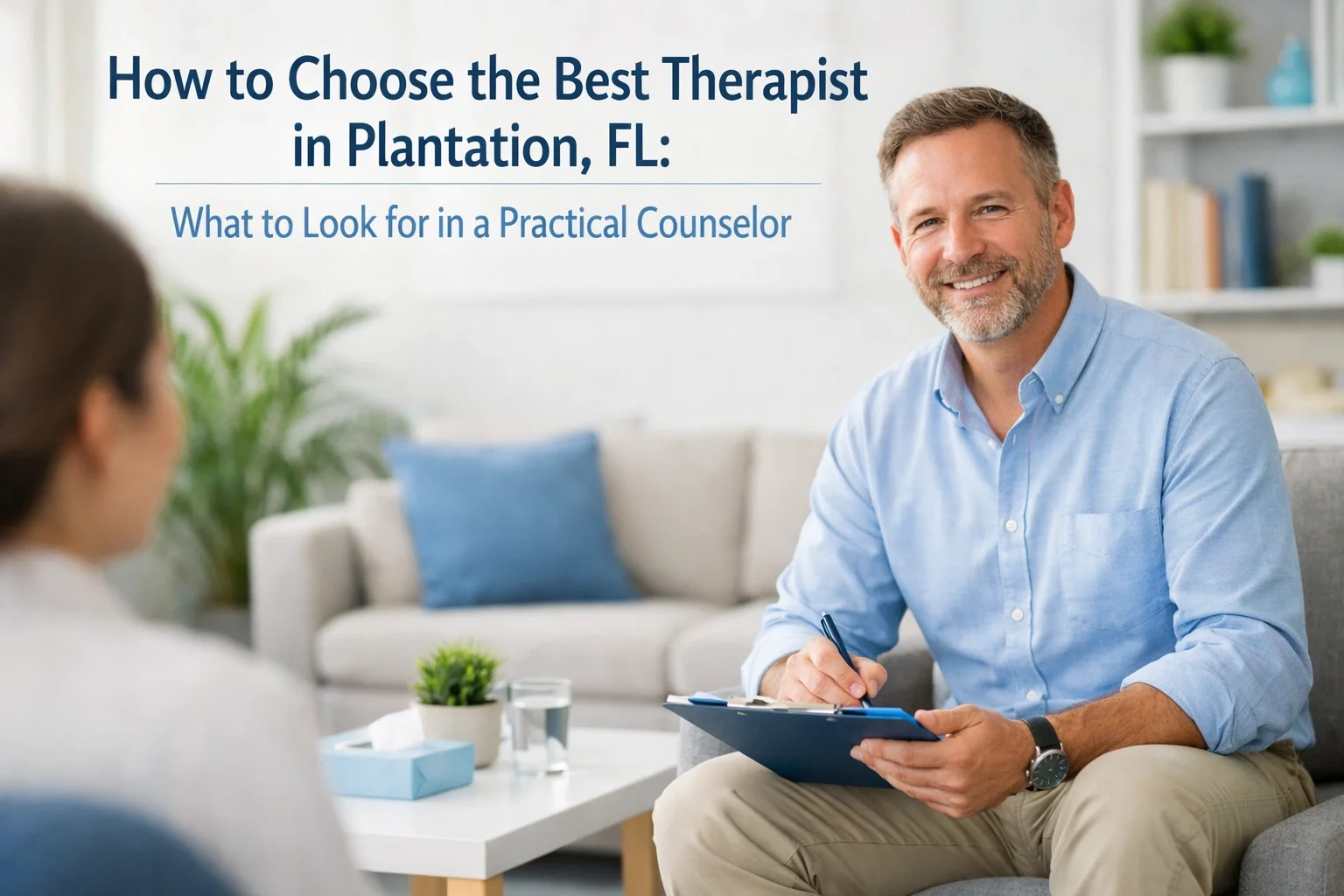
How to Choose the Best Therapist in Plantation, FL: What to Look for in a Practical Counselor
Searching for "therapy near me" shouldn't feel like a shot in the dark. Use this practical guide to find a therapist in Plantation who values your time, respects your experience, and focuses on real-world results.
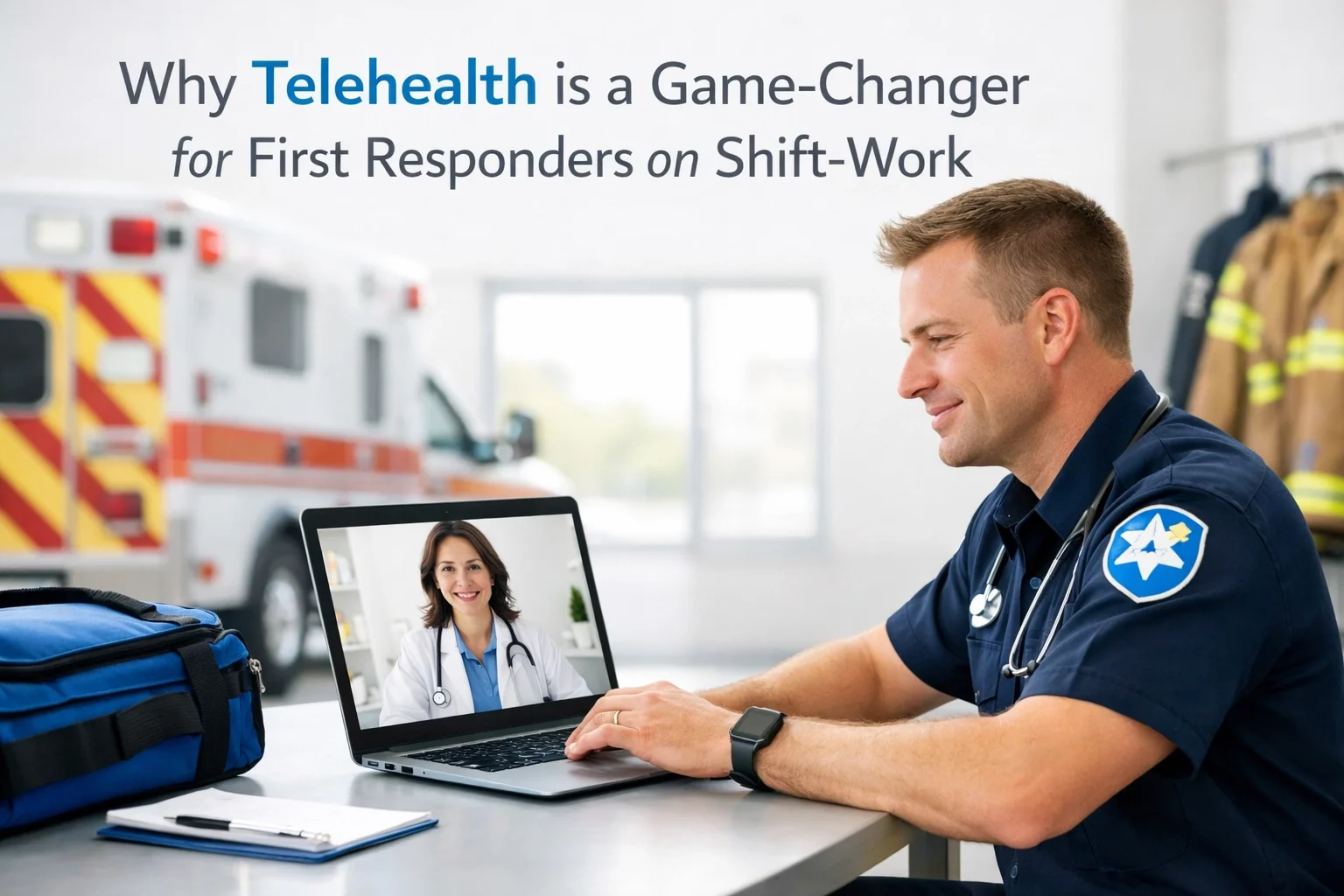
Why Telehealth is a Game-Changer for First Responders on Shift-Work
Shift work shouldn't stand in the way of your mental health. Discover why telehealth therapy is the flexible, confidential solution Florida first responders need.

In-Person vs. Telehealth Therapy in Florida: Which Is Better for Your High-Stress Lifestyle?
Deciding between the office and the screen? We compare in-person vs. telehealth therapy to help you find the best fit for your busy lifestyle and goals.
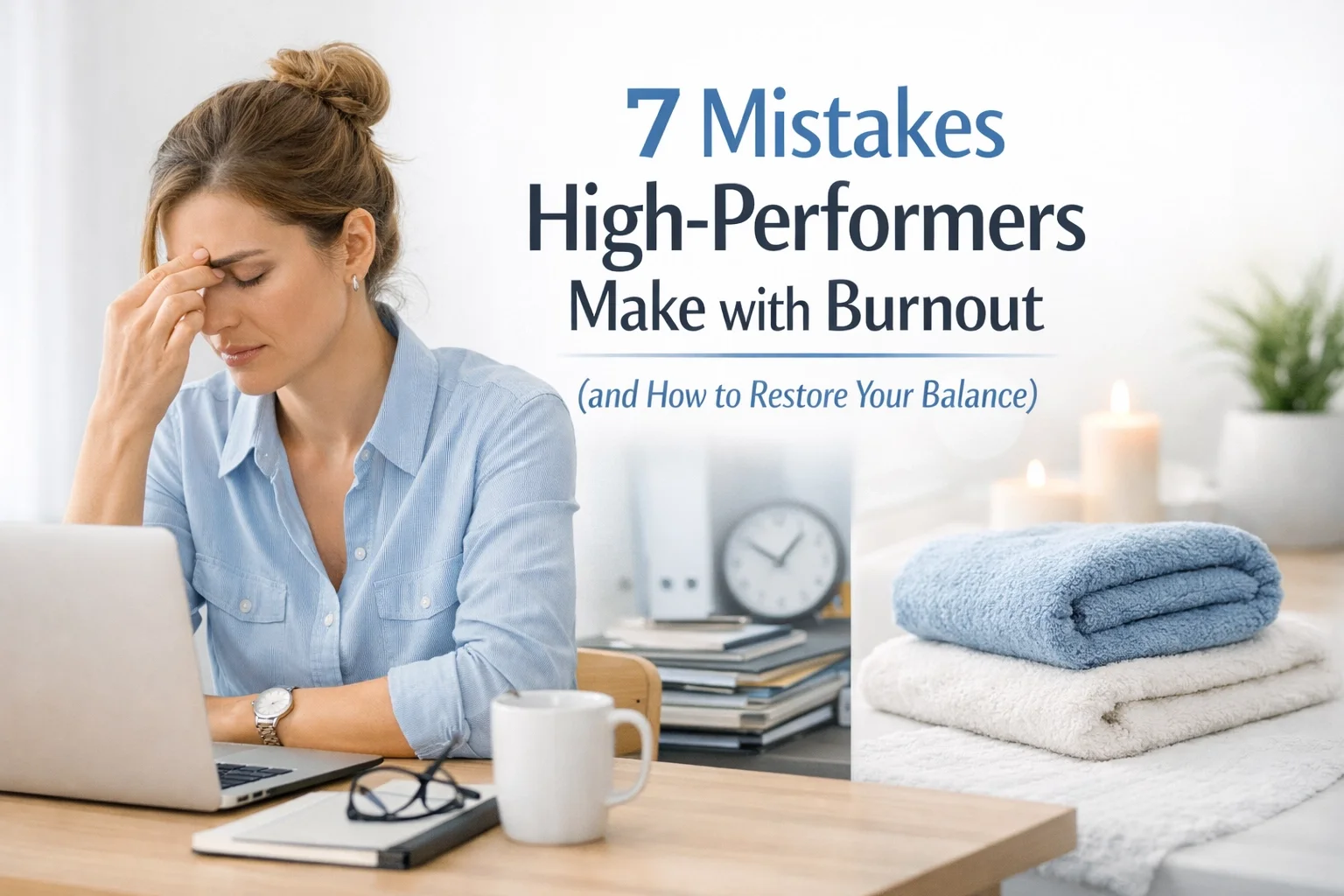
7 Mistakes High-Performers Make with Burnout (and How to Restore Your Balance)
Stop the cycle of exhaustion. Learn the common mistakes high-performers make and how to restore your balance with practical stress management.


Carrying What Isn’t Yours: Understanding and Managing Vicarious Trauma
Vicarious trauma can develop when we are repeatedly exposed to other people’s pain, stories, or crises.
Over time, absorbing these experiences can quietly affect how we think, feel, and relate to the world — even when we are not the ones directly experiencing the trauma.
If this resonates with you, remember: being affected means you care, not that you are weak.
Three principles to guide awareness and recovery:
Restore:
Reconnect with your own emotional boundaries. You can be compassionate without carrying everything. Notice where your responsibility ends and where another person’s story begins.
Protect:
Prioritize your mental and emotional health. Limit overexposure, take breaks, and normalize seeking support. Caring for yourself allows you to continue caring for others.
Maintain:
Create grounding routines that help release what you absorb. Movement, quiet reflection, creative outlets, and time away from heavy conversations help reset your nervous system.
Skill to Try:
After emotionally intense interactions, take five minutes to intentionally “close the loop.” Breathe deeply, stretch, or mentally name what belongs to you and what does not. This simple practice helps prevent emotional buildup.
If you’re feeling overwhelmed or emotionally drained, you’re not alone. Support is available. Reach out, talk to someone you trust, or consider scheduling a confidential consultation.

Entering the New Year with Intention, Not Pressure
The start of a new year often brings reflection, resolutions, and the pressure to change everything at once. While fresh beginnings can feel motivating, they can also feel overwhelming.
At RPM Counseling, we believe the new year does not require a complete reinvention. Instead, it invites intention, self-compassion, and steady growth. This season is an opportunity to move forward thoughtfully while honoring where you have been.
Three principles to guide:
As you step into the new year, let these simple principles support your mental and emotional well-being.
Restore:
Make room for rest and reflection. Restoration may look like slowing down, processing the past year, and allowing yourself to reset without rushing ahead.
Protect:
Set boundaries around your time, energy, and expectations. You do not need to say yes to every goal, plan, or demand. Protecting your peace supports long-term growth.
Maintain:
Focus on consistency rather than perfection. Small routines that support your mental health are often more sustainable than ambitious plans.
Skill to Try:
Choose a gentle intention for the year. Instead of a resolution, select one word or value such as balance, clarity, or compassion and let it guide your decisions.

A Steadier Way to Move Through the Holidays
The holiday season often brings moments of joy, connection, and celebration, but it can also come with added pressure, full calendars, and unspoken expectations. Between gatherings, responsibilities, and year-end transitions, it’s easy to move through the season on autopilot.
At RPM Counseling, we believe the holidays don’t have to be perfect to be meaningful. This time of year can be an opportunity to slow down, stay grounded, and move forward with more intention.
Restore: Create Space to Reset
When your body or mind signals the need to pause, it’s worth paying attention. Even brief moments of rest such as a quiet morning, a few steady breaths, or stepping outside, can help restore your energy. Rest supports consistency; it isn’t a reward for pushing through.
Protect: Set Boundaries That Hold the Line
The holidays often come with expectations, both spoken and unspoken. Protecting your well-being may mean setting limits, adjusting plans, or declining invitations that feel draining or emotionally unsafe. You’re allowed to choose what supports your stability.
Maintain: Keep Simple Routines
During busy or emotionally charged days, simple routines provide structure. Regular meals, movement, and consistent sleep help maintain balance when schedules shift or stress runs higher than usual.
Skill to Try: Daily Check-In
Once a day, pause and ask:
What do I need today?
Then take one small, practical step that meets that need. It can be rest, connection, or space. The goal isn’t to fix anything, but to respond to yourself with awareness and intention.
Support Through the Holidays
For many people, the holidays bring up stress, grief, or complicated emotions. If this season feels heavier than expected, you don’t have to manage it alone. RPM Counseling provides trauma-informed counseling for adults in Plantation and Broward County, with in-person and telehealth options available.
If you’d like support moving through the holidays with more clarity and steadiness, reach out to schedule a session.
Wishing you a steady, meaningful Christmas and good things in the days ahead.

Thankful Hearts: Finding Meaning in the Season
Thanksgiving reminds us to slow down and appreciate the people, moments, and small victories that shape our lives. In a world that moves fast, gratitude helps us reconnect with what truly matters, and that reflection can deeply support our emotional well-being.
If this season feels heavy or overwhelming, remember: you’re not behind, you’re becoming.
Three principles to guide your Thanksgiving mindset:
Restore:
Revisit the values that ground you: family, faith, friendship, or simply the desire to grow. Gratitude starts with remembering what’s already here.
Protect:
Safeguard your peace. Set boundaries, rest when you need to, and allow yourself to step away from stress. Caring for yourself is a form of gratitude too.
Maintain:
Create small Thanksgiving rituals that keep you steady. A morning walk, cooking a favorite dish, writing down three things you’re thankful for; like simple habits that bring you back to center.
Skill to Try:
Reach out to someone you appreciate this week. Not for a long conversation, just to tell them why you’re grateful for them. Connection strengthens gratitude.
If you’re struggling this holiday, you’re not alone. Support is available. Reach out, talk to someone you trust, or give yourself permission to ask for help.

Life After Service: Restoring Purpose and Connection
Transitioning from military life to civilian life can feel like stepping into a different world.
The structure, camaraderie, and sense of purpose that defined service can be hard to replace and that loss can quietly impact mental health.
If you’re a veteran, remember: you haven’t lost your identity, you’re rewriting it.


Latest from Instagram