

Anxiety Therapy in Plantation, Florida
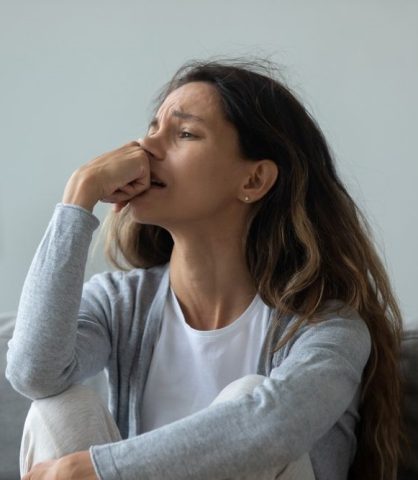
Anxiety is the body’s natural alarm system. In small doses, it can be useful – but can become a problem when it shows up too often, lasts too long, or feels out of proportion to what is actually happening. Left unaddressed, chronic anxiety can affect concentration, sleep, relationships, and physical health.
RPM Counseling provides evidence-based anxiety counseling for adults in Plantation, Broward County, and throughout Florida by telehealth. Counseling focuses on understanding what is driving the anxiety, building practical tools for managing it, and creating change that holds up outside of the therapy room. See the full list of mental health counseling services I offer.
Why Choose Us
Our Approach to Anxiety Counseling
Greg Myer is a Licensed Mental Health Counselor with 10 years of experience helping adults manage anxiety, chronic stress, and overthinking. Counseling is practical and collaborative, focused on understanding what is driving your anxiety and building tools you can use in everyday life, not just in the therapy room. Counseling is individualized based on your goals, history, and current needs.
Therapeutic approaches may include:
- Cognitive Behavioral Therapy (CBT)
- Mindfulness-based strategies
- Somatic and nervous-system-based techniques
- Exposure and Response Prevention (ERP), particularly for phobias and OCD-related anxiety
- Solution-Focused Brief Therapy (SFBT)
- Person-centered counseling
When to See an Anxiety Therapist
- Feeling restless, tense, or on edge
- Sweating, trembling, or a racing heart
- Irritability
- Difficulty concentrating
- Trouble controlling worry
- Avoiding the situations or things that trigger anxiety
- Trouble sleeping
- Muscle tension
Common Triggers
- Work stress or a career change
- Relationship conflict
- Social events or dating
- Public speaking
- Health concerns
- Financial stress
- Divorce or separation
- Major life transitions
What Anxiety Can Look Like
- Assuming the worst whenever your boss asks for a meeting, even when your performance has been strong
- Skipping an important event, such as a wedding or graduation, because the thought of being in a crowd feels unmanageable
- Feeling a moment of joy and immediately bracing for something bad to happen
- Repeatedly checking that appliances are off or doors are locked before you can leave the house
- Imagining worst-case scenarios in detail and mentally rehearsing how you would cope
Types of Anxiety
- Generalized Anxiety Disorder (GAD): Excessive and persistent worry about everyday situations that is difficult to control.
- Obsessive-Compulsive Disorder (OCD): Repeated unwanted thoughts and urges, often followed by compulsive behaviors or mental rituals.
- Social Anxiety: Intense fear or discomfort in social situations due to worries about judgment, embarrassment, or rejection.
- Post-Traumatic Stress Disorder (PTSD): Ongoing distress after experiencing or witnessing a traumatic event, often involving intrusive memories, avoidance, and heightened alertness.
Benefits of Working with an Anxiety Counselor
Anxiety counseling looks different for everyone, but common benefits include:
- Understanding what is fueling your fears and worries
- Improving relationships with family and friends
- Building healthier daily habits
- Reducing overall stress
- Developing stronger problem-solving and coping skills
When to Seek Help
It may be time to talk with a counselor if:
- Anxiety is interfering with your daily life or keeping you from everyday activities
- You cannot shut off thoughts that something bad is going to happen
- Worry is leaving you exhausted
- You are experiencing regular panic attacks
- Anxiety has lasted more than a few weeks
- Anxiety is affecting your physical health
Common Conditions
What Causes Anxiety?
There is no single known cause of anxiety, but several factors can contribute to its development, including:
- Family History – anxiety tends to run in families, and growing up around anxious parents can also shape how someone learns to respond to stress
- Trauma – experiencing or witnessing trauma, especially in childhood, can increase the likelihood of developing anxiety later in life
- Health Concerns – stress or worry connected to a medical diagnosis or ongoing treatment can contribute significantly to anxiety
- Personality – traits such as perfectionism, overthinking, self-consciousness, and difficulty tolerating uncertainty are linked to higher levels of anxiety
- Substance Use – frequent or heavy alcohol or drug use is associated with increased risk of anxiety
- Other Mental Health Conditions – anxiety often occurs alongside depression, ADHD, or other conditions
Frequently Asked Questions
How often should I go to therapy for anxiety?
This depends on the severity of your anxiety and your goals. Many clients start with weekly sessions and adjust frequency as they build coping tools and see progress.
Do I have anxiety?
Only a licensed provider can assess this. If worry, restlessness, or avoidance are affecting your daily life, a consultation can help you understand what you are experiencing and what support might help.
Is anxiety counseling confidential?
Yes. Counseling is confidential within legal and ethical limits.
Do you offer virtual anxiety counseling in Florida?
Yes. RPM Counseling offers telehealth counseling throughout Florida.
Book a Free Consultation
RPM Counseling provides in-person anxiety counseling in Plantation, Florida, and serves adults throughout Broward County, including Fort Lauderdale, Davie, Sunrise, Coral Springs, Tamarac, and nearby South Florida communities. Telehealth counseling is available throughout Florida for those who prefer or need virtual sessions.